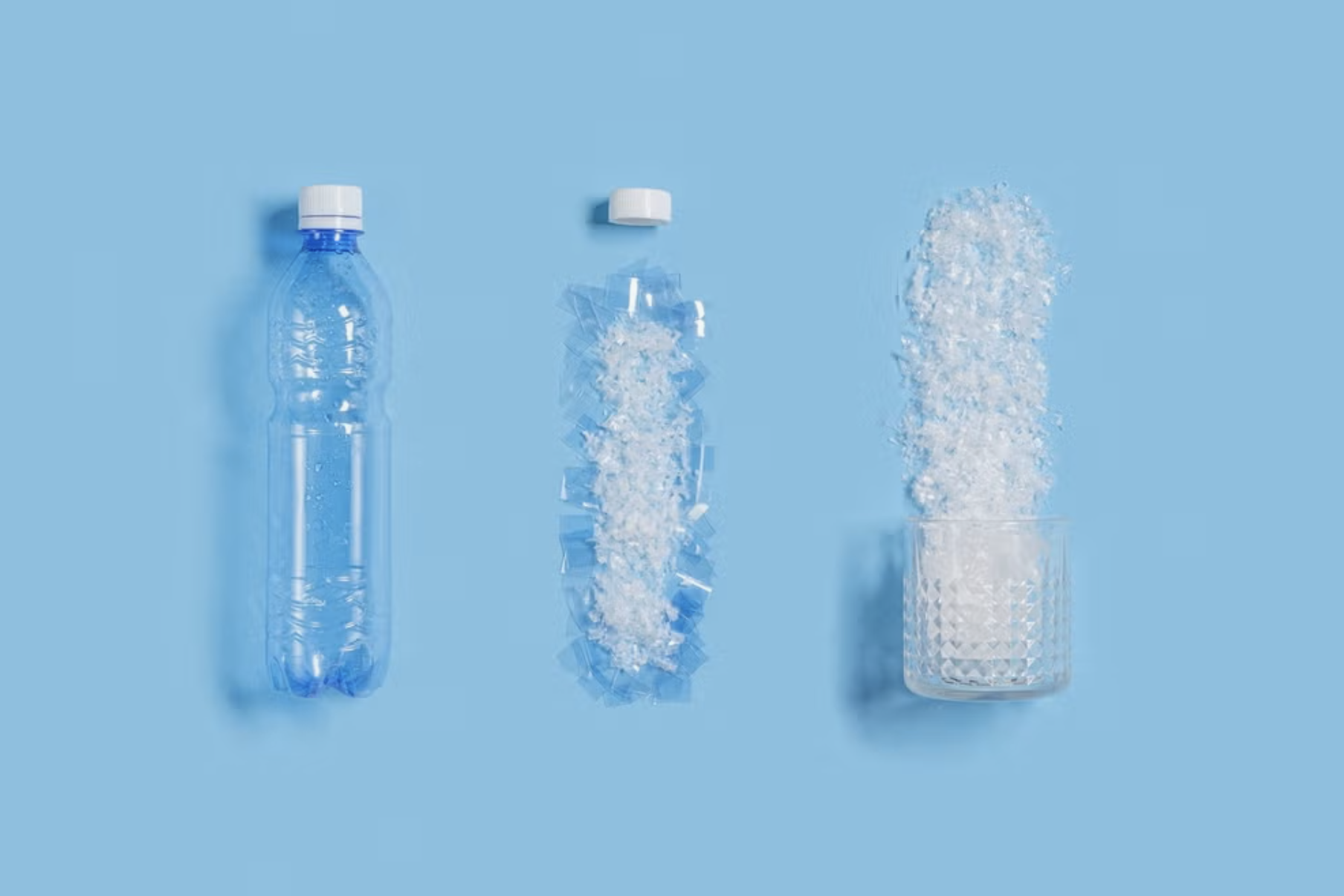
Best 7 Common Types of Plastic Bottles: Properties, Uses, Safety & Recycling
Plastic bottles are everywhere—on store shelves, in our refrigerators, tossed inside recycling bins, and unfortunately, even in oceans and landfills across the world. But here’s something most people don’t realize: not all plastic bottles are the same.
Each one is made from a specific type of plastic that determines how safe it is, how durable it is, and whether it can actually be recycled. That’s where the concept of “plastic types” becomes incredibly important. Understanding these categories is more than trivia—it’s a practical life skill that affects your health, your environment, and your everyday habits.
This beginner-friendly guide breaks down the 7 most common types of plastic bottles, explains what each one is used for, explores environmental concerns, and helps you identify which are safe and which to avoid.
Whether you’re someone trying to recycle correctly, a parent picking safer plastics for your kids, or simply a curious reader, this guide will give you the clarity you’ve been missing.
Table of Contents
What Are Plastic Resin Codes?
Plastic resin codes, represented by the familiar triangle of arrows with a number inside, are simply identification markers that tell you what type of plastic a product is made from.
These numbers—1 through 7—don’t indicate quality or safety by themselves. Their purpose is to help facilities sort plastics for recycling because each type behaves differently when melted, processed, or repurposed.
What many people don’t know is that resin codes were originally created for recycling centers—not consumers. Over time, however, consumers began associating the triangle symbol with recyclability, leading to confusion. The truth is not all plastics with the triangle symbol are recyclable everywhere, and some aren’t recyclable at all. Resin codes essentially act like a DNA tag for plastics, telling you how they break down, how they react to heat, and whether they might leach chemicals.
By understanding resin codes, you gain insight into safety, usage, environmental friendliness, and recycling potential. Once you learn them, it becomes second nature to check the bottom of a bottle before reusing or tossing it in the bin.
7 Common Types of Plastic Bottles
Type 1: PET (Polyethylene Terephthalate)
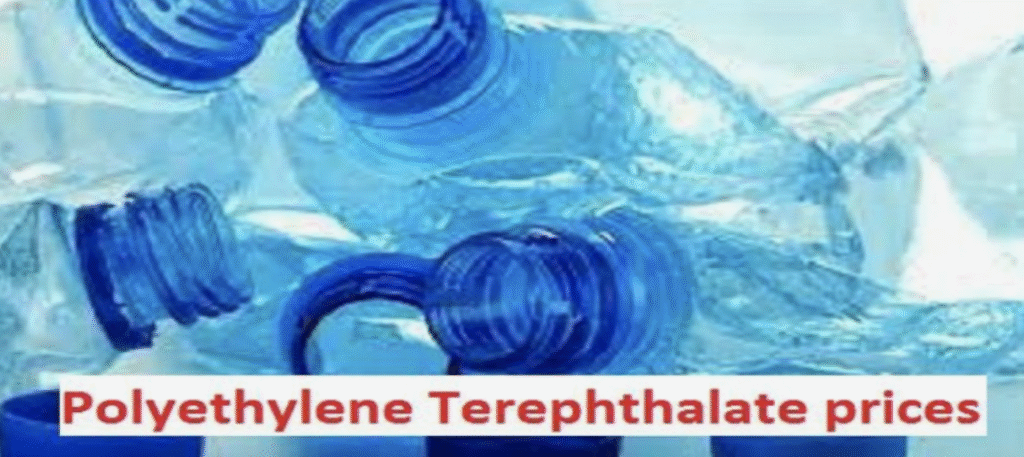
PET is the king of plastic bottles—lightweight, clear, affordable, and the top choice for bottled water, soft drinks, juices, and disposable beverage containers. One reason PET dominates is its high strength-to-weight ratio, meaning it’s tough enough to hold pressurized drinks without being heavy or bulky. PET is considered food-safe and does not contain BPA, which is a major relief for health-conscious users.
But despite its advantages, PET is intended for single use only. Reusing PET bottles for weeks, months, or—worst of all—refilling them with hot liquids can cause microbial buildup due to scratches and wear. It can also lead to the slow release of chemicals like antimony when exposed to heat or sunlight, which is why leaving a PET bottle inside a hot car is strongly discouraged.
In terms of recycling, PET is one of the most recyclable plastics on Earth. Many countries accept PET in curbside programs, and recycled PET (rPET) has become a major part of the circular economy. It’s turned into clothing, new bottles, packaging films, carpeting, and more. Still, billions of PET bottles go unrecycled each year due to improper disposal and poor waste management. The environmental cost is enormous, particularly in marine ecosystems where PET fragments harm wildlife. PET is safe when used properly—but only truly sustainable when consumers commit to recycling it responsibly.
Type 2: HDPE (High-Density Polyethylene)
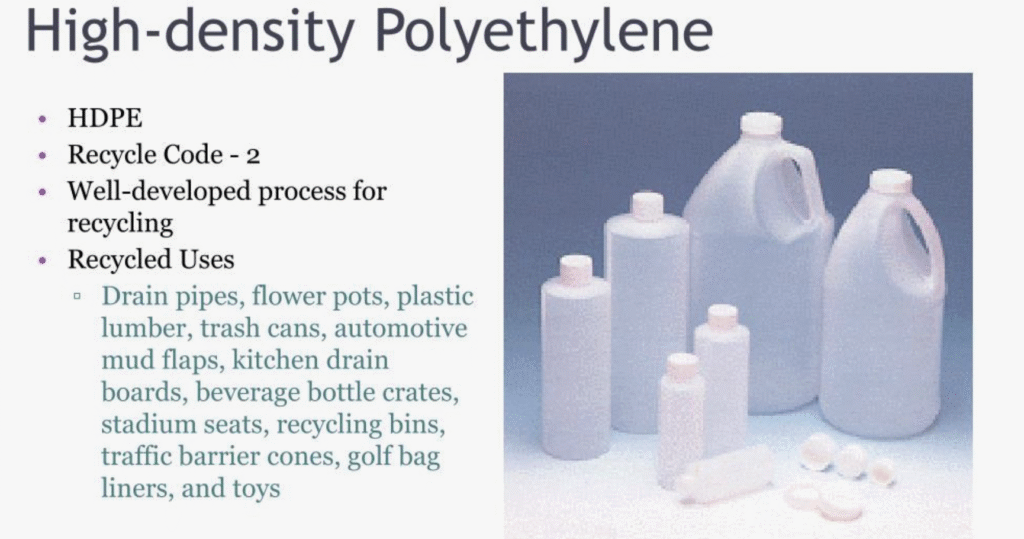
HDPE is a superstar in the plastic world. It’s tough, durable, resistant to chemicals, and widely used for milk jugs, detergent bottles, shampoo containers, cleaning product bottles, and thicker beverage containers. Its cloudy or matte appearance makes it easy to distinguish from PET’s crystal-clear look.
One major advantage of HDPE is its high safety rating. It doesn’t break down easily, doesn’t react with liquids stored inside it, and is one of the safest plastics for food and beverage use. It’s also extremely resistant to UV rays and temperature changes, which is why it’s often used for outdoor applications and long-term storage containers.
When it comes to recycling, HDPE is a winner. It’s accepted almost everywhere and can be turned into a wide range of products including piping, new bottles, park benches, toys, and even plastic lumber. Its strong recycling profile makes it one of the most environmentally friendly plastic categories—when properly disposed of.
Type 3: PVC (Polyvinyl Chloride)
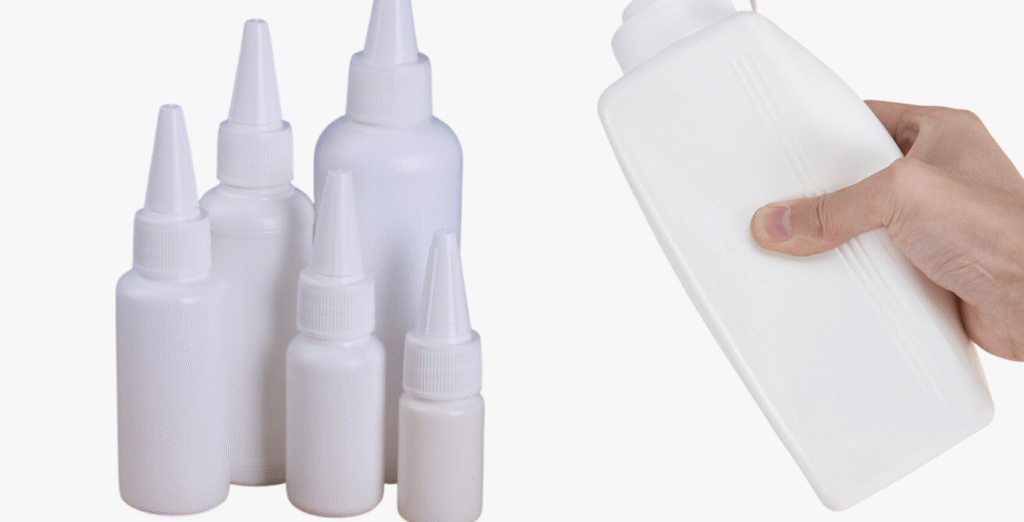
PVC is controversial. While it’s incredibly versatile and durable, it contains chemicals like chlorine and phthalates that raise serious health concerns. It’s commonly used in piping, medical equipment, blister packs, and some squeeze bottles, but you’ll rarely see PVC used for beverage bottles today due to health and environmental pushback.
PVC is notoriously difficult to recycle. Many recycling centers refuse it because it contaminates other plastic streams and releases toxic fumes when improperly processed. From an environmental perspective, PVC contributes to long-term pollution and is considered one of the least environmentally friendly plastics. Overall, unless absolutely necessary, PVC bottles should be avoided—especially for foods or drinks.
Type 4: LDPE (Low-Density Polyethylene)
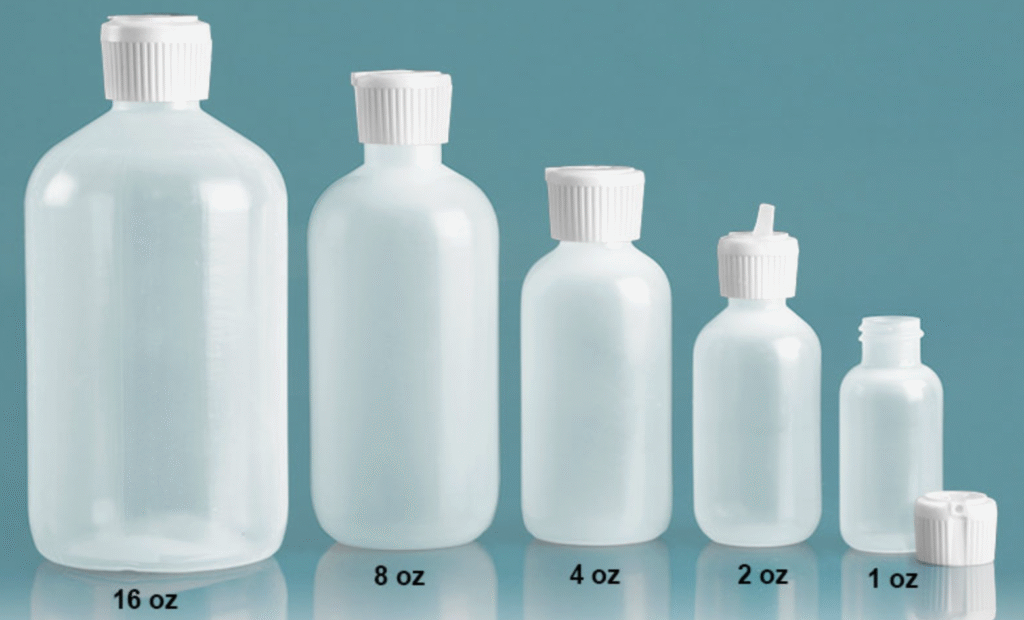
LDPE is flexible, lightweight, and widely used for squeeze bottles, shopping bags, bread bags, and plastic wraps. Unlike HDPE, LDPE is softer and more pliable, making it ideal for products that require easy squeezing or bending.
LDPE is relatively safe, with low risk of leaching and good resistance to moisture. Its flexibility makes it extremely convenient in daily life. However, recycling LDPE is challenging because it often gets tangled in machinery at recycling facilities. Some centers accept LDPE, but many do not, leading to large amounts of LDPE waste in landfills.
LDPE bottles and containers can be reused safely to an extent, but as with all plastics, it’s best to avoid heating them or storing hot liquids inside. Its environmental impact is moderate, but heavily dependent on proper disposal.
Type 5: PP (Polypropylene)
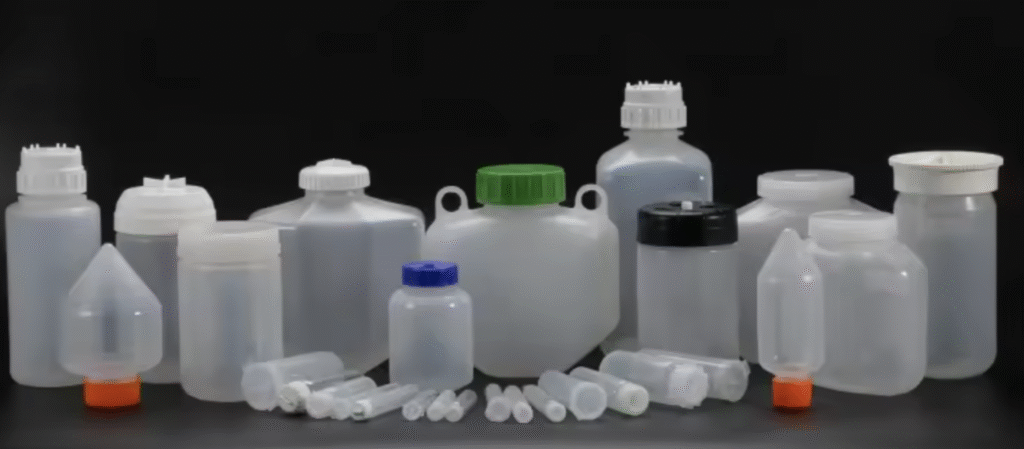
PP is known for its excellent heat resistance, making it perfect for hot food containers, medicine bottles, yogurt cups, and microwave-safe products. Its durability and chemical resistance make it popular in both household and industrial uses.
PP is considered one of the safest plastics for food and drinks, and it’s less likely to leach chemicals compared to other types. It’s also lightweight yet sturdy, making it ideal for bottle caps and hinges.
Recycling PP has improved significantly in recent years. Many cities now accept PP containers, and recycled PP can be used in automotive parts, storage bins, and consumer goods. As awareness increases, PP’s recyclability rate continues to grow.
Type 6: PS (Polystyrene)
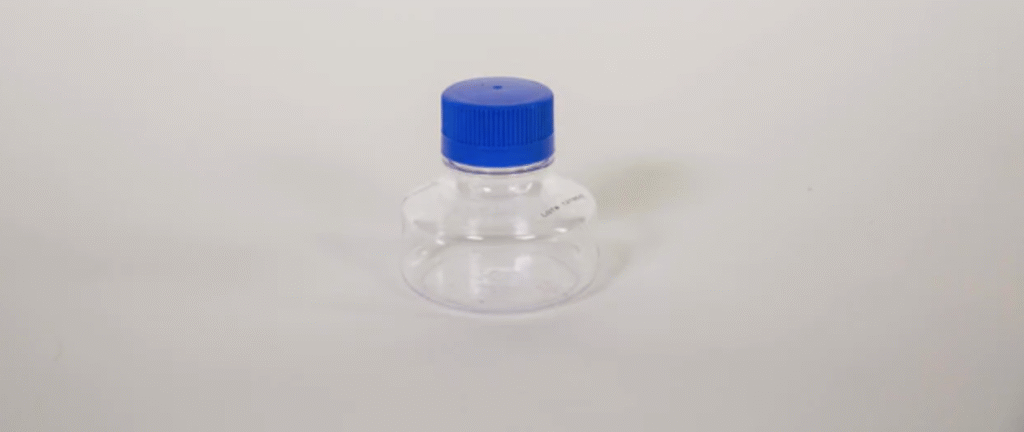
Polystyrene comes in two forms: rigid (used for disposable cutlery and some cosmetic containers) and foam (better known as Styrofoam). While PS bottles aren’t as common today, they were once widely used in certain food packaging applications.
The major downside of PS is health-related. When heated, polystyrene can leach styrene, a potential carcinogen. This makes PS one of the least recommended plastics for food or beverage use. On top of that, PS is extremely difficult to recycle, often breaking into lightweight pieces that scatter easily and contribute to long-term pollution.
Environmental advocates strongly recommend avoiding PS wherever possible. Its decline in popularity is a positive sign, as many companies and governments are phasing it out.
Type 7: Other Plastics (Including Polycarbonate & Bioplastics)
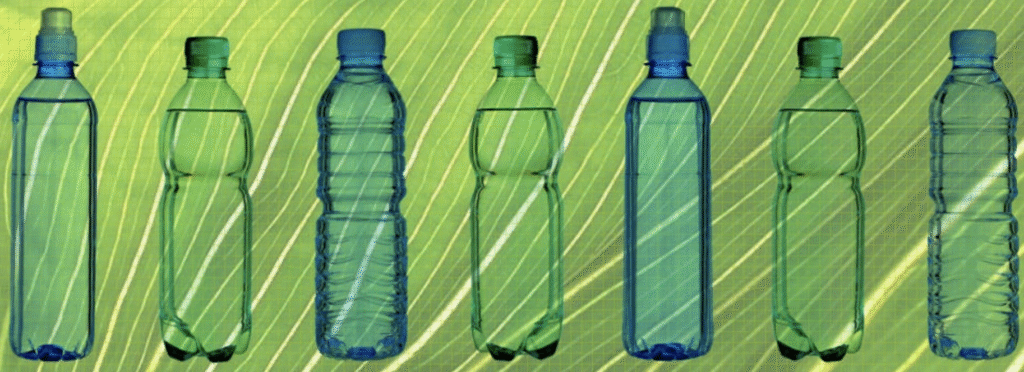
Type 7 is essentially the “everything else” category, containing plastics that don’t fit into the first six groups. This includes polycarbonate (PC), acrylic, nylon, PLA bioplastics, and more. Some Type 7 plastics are extremely strong and durable, which is why they’re used for items like large water cooler bottles and specialized containers.
The concern with polycarbonate is its BPA content. BPA has been linked to hormonal disruptions, making many consumers and health experts cautious. Although BPA-free alternatives exist today, they’re not always automatically safer because they sometimes contain similar replacement chemicals.
Recyclability varies widely for Type 7 plastics. Some bioplastics require industrial composting, while others are not recyclable at all. When dealing with Type 7 bottles, it’s best to research the specific product or choose alternatives when possible.
Which Types of Plastic Bottles Are Safest?
When it comes to safety, HDPE (2) and PP (5) rank among the safest options. These plastics have low leaching potential and work well with both hot and cold contents. PET (1) is safe for single use, but not recommended for repeated reuse over long periods. Plastics like PVC (3) and PS (6) should generally be avoided for consumable products.
Safe choices for long-term use:
- 2 (HDPE)
- 5 (PP)
Safe for single use:
- 1 (PET)
Avoid when possible:
- 3 (PVC)
- 6 (PS)
- Some 7 (Polycarbonate)
Which Types Are Most Recyclable?
Recycling varies widely across regions, but generally:
| Resin Code | Recyclability | Notes |
|---|---|---|
| 1 (PET) | High | Commonly recycled everywhere |
| 2 (HDPE) | High | Extremely sustainable |
| 3 (PVC) | Low | Difficult, often rejected |
| 4 (LDPE) | Moderate | Accepted in some areas |
| 5 (PP) | Moderate–High | Improving globally |
| 6 (PS) | Low | Rarely recycled |
| 7 (Other) | Varies | Depends on material |
The most recyclable plastics are PET and HDPE, which dominate most recycling programs around the world.
Environmental Impact of Each Plastic Type
Plastic bottles differ greatly in environmental impact. PET and HDPE can be recycled into new products, reducing long-term waste. LDPE and PP are moderately recyclable but still generate significant waste when improperly disposed of. PVC and PS are the most damaging plastics due to low recyclability and toxic byproducts.
Most plastics take hundreds of years to break down, contributing to global pollution. Choosing recyclable plastics and reducing single-use consumption are vital steps individuals can take to protect the environment.
How to Identify Plastic Bottles Quickly
Here’s a quick cheat sheet:
- Clear water bottles? Usually PET (1)
- Milky jugs? HDPE (2)
- Squeeze bottles? LDPE (4)
- Microwave-safe containers? PP (5)
- Foam or Styrofoam? PS (6)
Once you get used to checking resin codes, identifying plastics becomes second nature.
How Manufacturers Choose Plastic Types
Manufacturers consider:
- Cost: PET and HDPE are cheap and efficient
- Strength: PP is strong and heat resistant
- Chemical resistance: HDPE excels here
- Flexibility: LDPE is perfect for squeezable bottles
- Clarity: PET is the top choice
Each plastic type is selected based on product needs, safety, and market demand.
Tips for Consumers to Use Plastics Safely
- Avoid heating plastics unless microwave-safe
- Don’t leave plastic bottles in cars
- Never reuse single-use PET bottles long-term
- Prefer glass or stainless steel for repeated drinking use
- Recycle according to local guidelines
- Avoid PVC and PS for food and beverages
Small habits make a big difference over time.
Future of Plastic Bottles
The future is shifting toward:
- rPET (recycled PET) bottles
- Bioplastics made from plants
- Reduced single-use packaging
- Government regulations banning harmful plastics
- Advanced recycling technologies
While plastics won’t disappear soon, smarter alternatives and better recycling can significantly reduce environmental damage.
Conclusion
Understanding the seven common types of plastic bottles empowers you to make safer, smarter, and more environmentally friendly choices. By knowing the difference between PET, HDPE, PVC, LDPE, PP, PS, and Type 7 plastics, you gain the ability to choose wisely, recycle correctly, and reduce unnecessary waste. Ultimately, the goal isn’t to eliminate plastic entirely—even though that would be ideal—but to use it responsibly, recycle it efficiently, and avoid the types that pose health or environmental risks. With this knowledge, you’re better equipped to navigate daily life with greater awareness and make choices that benefit both you and the planet.
FAQsAbout Plastic Bottles
1. Is it safe to reuse plastic water bottles?
Only certain types like HDPE (2) and PP (5) are safe for repeated use. PET (1) should not be reused long-term.
2. Which plastic bottles should I avoid completely?
Avoid PVC (3) and PS (6) for food or drinks due to chemical leaching and poor recyclability.
3. Are BPA-free plastics always safe?
Not always. Some BPA-free plastics still contain similar chemicals.
4. Why can’t all plastics be recycled?
Different plastics melt at different temperatures and can contaminate each other if mixed.
5. Which plastic type is best for drinking water?
HDPE (2) and PP (5) are safest for repeated use; PET (1) is safe for single use.