كيفية الحصول على المنتجات من الصين: دليل خطوة بخطوة (2025)
Why Source Products from China?
If you’ve ever thought about starting a product-based business, chances are you’ve asked: how to source products from China? The answer is simpler than you might think—but doing it right requires the right strategy.
China remains the world’s largest exporter, supplying everything from electronics and apparel to kitchen tools and toys. Its mature manufacturing ecosystem, affordability, and access to global logistics make it the top choice for product sourcing في عام 2025.
Let’s explore why more than 60% of Amazon sellers and thousands of Shopify entrepreneurs choose to source their products from Chinese factories.
Cost Efficiency and Massive Product Variety
One of the biggest advantages of sourcing from China is the cost. Manufacturing costs in China are significantly lower due to:
- وفورات الحجم
- Abundant skilled labor
- Competitive factory pricing
This allows businesses to maintain healthy profit margins even after shipping and import fees. Plus, with thousands of factories producing millions of SKUs, there’s no shortage of product ideas to choose from.
جدول المحتويات
Mature Supply Chain and Export Experience
China isn’t new to the export game. In fact, Chinese manufacturers have decades of experience in:
- Export documentation
- Packaging for international shipping
- Compliance with safety standards (e.g., CE, RoHS, FDA)
Whether you’re importing pet supplies, supplements, or tech accessories, chances are there’s a specialized, experienced factory ready to deliver.
Global Access via Online Platforms
Thanks to platforms like علي بابا, 1688.com, و صُنع في الصين, you can now access thousands of suppliers from your laptop. With secure payment options, real-time messaging, and built-in buyer protections, sourcing has never been easier.
Step-by-Step Guide on How to Source Products from China
Step 1: Define Your Product and Specifications
Before you even talk to a supplier, get clear on what you want. Answer questions like:
- What are the product’s dimensions, materials, and features?
- Do you want a white-label or private-label version?
- Will the product need special certifications or labeling?
نصيحة محترف: Create a Product Requirement Sheet أو Tech Pack outlining:
- Materials used
- نمط التغليف
- Branding elements (logos, colors)
- Any applicable safety standards (CE, FCC, etc.)
This ensures your communication with suppliers is precise and professional from the beginning.
Step 2: Choose the Right Sourcing Method
There are 3 main ways to source products from China:
- DIY Sourcing via Alibaba or other platforms
- Best for experienced buyers
- Hiring a China sourcing agent like Simoosourcing
- Ideal for beginners or complex projects
- Attending trade shows like the Canton Fair
- Great for seeing samples and meeting factories in person
Your choice depends on your budget, experience, and time availability.
Step 3: Find Reliable Suppliers
When searching for suppliers, start with reputable platforms:
- Alibaba.com – Best for international wholesale sourcing
- 1688.com – Domestic Chinese platform (Chinese language only)
- صُنع في الصين – Alternative to Alibaba with verified factories
- GlobalSources.com – High-quality, export-focused suppliers
Use filters to narrow by:
- Gold Supplier (verified)
- Trade Assurance (buyer protection)
- Verified company certificates (ISO, BSCI, etc.)
Check if the supplier:
- Specializes in your product niche
- Has been in business for at least 3–5 years
- Has export experience to your country
Step 4: Request Quotes, Samples, and Compare
Contact 3–5 suppliers and ask for:
- Product pricing at different MOQs
- Sample lead times and shipping costs
- Catalog or spec sheet of related products
- Production timelines and customization options
Compare their:
- Response time and professionalism
- English communication skills
- Product quality (once samples arrive)
Use this table for supplier evaluation:
| المعايير | Supplier A | Supplier B | Supplier C |
|---|---|---|---|
| MOQ Flexibility | ✅ | ❌ | ✅ |
| Pricing (per unit) | $3.50 | $3.00 | $3.80 |
| Sample Quality | عالية | Average | ممتاز |
| Lead Time (days) | 20 | 30 | 18 |
| الشهادات | نعم | لا يوجد | نعم |
Step 5: Negotiate Terms, MOQs, and Contracts
Once you select your top supplier, it’s time to negotiate:
- Lower MOQs for initial orders
- Payment terms (e.g., 30/70 split)
- Customizations included in base cost
- Packaging and labeling options
- Penalties for late delivery
Always request a formal Proforma Invoice (PI) and clarify:
- Unit price and total cost
- مواصفات المنتج
- Production timeline
- Shipping terms (FOB, EXW, etc.)
And yes, you must get everything in writing to avoid surprises.
Why Source Products from China?
If you’ve ever thought about starting a product-based business, chances are you’ve asked: how to source products from China? The answer is simpler than you might think—but doing it right requires the right strategy.
China remains the world’s largest exporter, supplying everything from electronics and apparel to kitchen tools and toys. Its mature manufacturing ecosystem, affordability, and access to global logistics make it the top choice for product sourcing في عام 2025.
Let’s explore why more than 60% of Amazon sellers and thousands of Shopify entrepreneurs choose to source their products from Chinese factories.
Cost Efficiency and Massive Product Variety
One of the biggest advantages of sourcing from China is the cost. Manufacturing costs in China are significantly lower due to:
- وفورات الحجم
- Abundant skilled labor
- Competitive factory pricing
This allows businesses to maintain healthy profit margins even after shipping and import fees. Plus, with thousands of factories producing millions of SKUs, there’s no shortage of product ideas to choose from.
Mature Supply Chain and Export Experience
China isn’t new to the export game. In fact, Chinese manufacturers have decades of experience in:
- Export documentation
- Packaging for international shipping
- Compliance with safety standards (e.g., CE, RoHS, FDA)
Whether you’re importing pet supplies, supplements, or tech accessories, chances are there’s a specialized, experienced factory ready to deliver.
Global Access via Online Platforms
Thanks to platforms like علي بابا, 1688.com, و صُنع في الصين, you can now access thousands of suppliers from your laptop. With secure payment options, real-time messaging, and built-in buyer protections, sourcing has never been easier.
Step-by-Step Guide on How to Source Products from China
Step 1: Define Your Product and Specifications
Before you even talk to a supplier, get clear on what you want. Answer questions like:
- What are the product’s dimensions, materials, and features?
- Do you want a white-label or private-label version?
- Will the product need special certifications or labeling?
نصيحة محترف: Create a Product Requirement Sheet أو Tech Pack outlining:
- Materials used
- نمط التغليف
- Branding elements (logos, colors)
- Any applicable safety standards (CE, FCC, etc.)
This ensures your communication with suppliers is precise and professional from the beginning.
Step 2: Choose the Right Sourcing Method
There are 3 main ways to source products from China:
- DIY Sourcing via Alibaba or other platforms
- Best for experienced buyers
- Hiring a China sourcing agent like Simoosourcing
- Ideal for beginners or complex projects
- Attending trade shows like the Canton Fair
- Great for seeing samples and meeting factories in person
Your choice depends on your budget, experience, and time availability.
Step 3: Find Reliable Suppliers
When searching for suppliers, start with reputable platforms:
- Alibaba.com – Best for international wholesale sourcing
- 1688.com – Domestic Chinese platform (Chinese language only)
- صُنع في الصين – Alternative to Alibaba with verified factories
- GlobalSources.com – High-quality, export-focused suppliers
Use filters to narrow by:
- Gold Supplier (verified)
- Trade Assurance (buyer protection)
- Verified company certificates (ISO, BSCI, etc.)
Check if the supplier:
- Specializes in your product niche
- Has been in business for at least 3–5 years
- Has export experience to your country
Step 4: Request Quotes, Samples, and Compare
Contact 3–5 suppliers and ask for:
- Product pricing at different MOQs
- Sample lead times and shipping costs
- Catalog or spec sheet of related products
- Production timelines and customization options
Compare their:
- Response time and professionalism
- English communication skills
- Product quality (once samples arrive)
Use this table for supplier evaluation:
| المعايير | Supplier A | Supplier B | Supplier C |
|---|---|---|---|
| MOQ Flexibility | ✅ | ❌ | ✅ |
| Pricing (per unit) | $3.50 | $3.00 | $3.80 |
| Sample Quality | عالية | Average | ممتاز |
| Lead Time (days) | 20 | 30 | 18 |
| الشهادات | نعم | لا يوجد | نعم |
Step 5: Negotiate Terms, MOQs, and Contracts
Once you select your top supplier, it’s time to negotiate:
- Lower MOQs for initial orders
- Payment terms (e.g., 30/70 split)
- Customizations included in base cost
- Packaging and labeling options
- Penalties for late delivery
Always request a formal Proforma Invoice (PI) and clarify:
- Unit price and total cost
- مواصفات المنتج
- Production timeline
- Shipping terms (FOB, EXW, etc.)
And yes, you must get everything in writing to avoid surprises.
Understanding Minimum Order Quantities (MOQs)
Why MOQs Exist
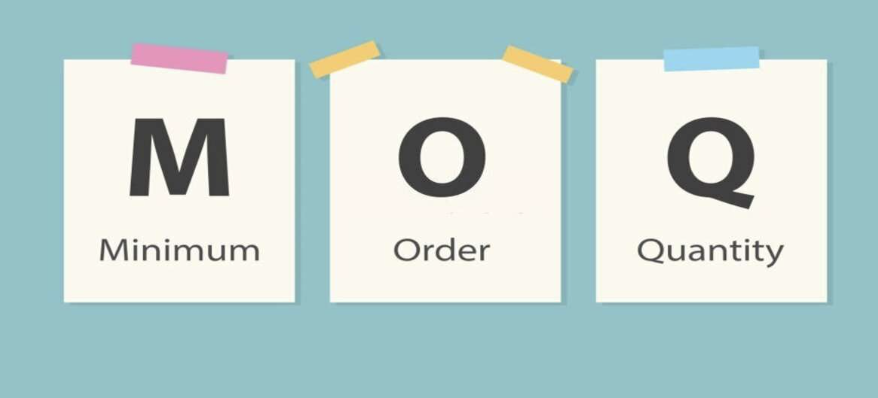
MOQ stands for Minimum Order Quantity, which is the lowest number of units a supplier is willing to produce or sell per order. Suppliers set MOQs based on:
- Material purchase requirements
- Machine setup and labor costs
- Profitability per production batch
For example, a custom T-shirt factory may require a MOQ of 300 pieces per design or color. For simpler items like silicone kitchen tools, MOQs might start at just 100 قطعة.
Understanding MOQs is essential when learning how to source products from China—especially if you’re a small business or a first-time importer.
How to Negotiate Lower MOQs
If the MOQ is too high for your budget, try the following:
- Start with a sample order or trial batch
- Combine multiple variations (colors/sizes) into one total MOQ
- Negotiate based on long-term intent (“If this goes well, I’ll reorder 5x next time”)
- Offer to pay slightly more per unit for lower volume
Pro tip: Some suppliers are more flexible if they see potential in your brand or if you’re using a sourcing agent to represent you professionally.
Product Customization and Private Labeling
White Label vs. Private Label Explained
If you’re building a brand, you’ll need to decide between white labeling و وضع العلامات الخاصة:
| Label Type | الوصف |
|---|---|
| White Label | Generic products with no branding. You can resell them as-is or under your brand. |
| علامة خاصة | Customized products with your own logo, packaging, and design tweaks. |
Private labeling is ideal for building brand loyalty and pricing power, while white labeling is quicker and cheaper for testing ideas.
Custom Packaging and Branding Options
Chinese factories can help you with:
- طباعة الشعار on products
- Custom hang tags, labels, and barcodes
- Gift boxes, inserts, and poly bags
- Instructions/manuals in multiple languages
Minimums for custom packaging may vary but typically start at 500–1,000 units.
نصيحة: Send your logo in vector format (AI, EPS, or high-res PDF) and confirm print position and color codes with a sample or 3D mockup before mass production.
Shipping Options from China
Once your goods are ready, it’s time to figure out how to get them delivered. There are three main shipping methods from China:
Air Freight vs. Sea Freight vs. Express
| طريقة الشحن | الأفضل لـ | السرعة | التكلفة | Limitations |
|---|---|---|---|---|
| Express (DHL/FedEx/UPS) | Small, urgent packages | 3-7 أيام | عالية | Expensive for anything over 20kg |
| الشحن الجوي | Medium-size, light shipments | 7-14 يوماً | معتدل | Higher cost per kg than sea freight |
| الشحن البحري (LCL/FCL) | Large, heavy cargo | 25-45 يوماً | Low (per unit) | Slower; complex customs paperwork |
Choose based on:
- Your delivery deadline
- Shipment volume/weight
- Budget and profit margins
Choosing the Right Incoterms (FOB, EXW, CIF)
Incoterms are global shipping standards that define who handles what.
| المدة | Buyer Pays For | Supplier Responsibility |
|---|---|---|
| EXW | Everything from the factory onwards | Just make the goods available |
| فوب | Freight and import charges | Delivers goods to port and loads ship |
| CIF | Duties and inland delivery | Ships to your destination port |
Most importers prefer فوب as it balances control and cost without extra hassle.
Cost Breakdown of Importing from China
Here’s a typical cost structure to help you estimate your total landed cost when sourcing products from China:
| Expense Category | Percentage of Total Cost | الملاحظات |
|---|---|---|
| تكلفة المنتج | 50–60% | Unit price x quantity |
| Shipping (Freight) | 10–20% | Varies by mode and destination |
| Import Duties/Taxes | 5–15% | تحقق سيمبلي دوتي |
| Customs Brokerage | 1–3% | Often handled by shipping agent |
| Inspection/Quality Check | 1–5% | Optional but recommended |
| Miscellaneous Fees | 2–3% | Banking fees, document processing |
Having a وكيل مصادر مثل Simoosourcing helps you keep these costs transparent and manageable, especially for first-time importers.
Simoosourcing: Your Trusted China Sourcing Agent
What Simoosourcing Offers
Simoosourcing هي شركة محترفة وكيل توريد الصين that helps global businesses source, inspect, and ship products with confidence. Whether you’re an Amazon FBA seller, Shopify store owner, or wholesaler, they offer:
- Supplier research and factory vetting
- Negotiation on your behalf (in Chinese)
- Sample management and factory visits
- فحوصات مراقبة الجودة
- Labeling and packaging customization
- Freight forwarding and customs support
They bridge the gap between your business and reliable Chinese manufacturers—so you save time, reduce risk, and increase profit.
How Simoosourcing Simplifies Product Sourcing
Here’s why thousands trust Simoosourcing:
- Bilingual team fluent in English and Mandarin
- Expertise across multiple product categories
- Transparent communication and monthly reporting
- Flat-rate service fees or per-project packages
- الوصول إلى 1688.com and offline suppliers not found on Alibaba
If you’re serious about sourcing products from China without headaches, Simoosourcing is your full-service solution. Learn more at simoosourcing.com
الخاتمة
Knowing how to source products from China is one of the most valuable skills for any entrepreneur. From identifying your product and selecting suppliers to negotiating deals and managing shipping, every step matters in building a successful, scalable business.
Start small, stay informed, and always verify your partners. Whether you’re an eCommerce startup or a seasoned brand, sourcing from China can help you:
- Save costs
- Scale faster
- Stand out with custom products
And when in doubt, work with a trusted sourcing partner like Simoosourcing to avoid costly mistakes and streamline your journey from idea to delivery.
الأسئلة الشائعة Sourcing products from China
1. هل من الآمن الحصول على المنتجات من الصين؟
Yes, if you vet your suppliers, use verified platforms like Alibaba, and partner with trusted agents like Simoosourcing, it’s safe and reliable.
2. How long does it take to get products from China?
Typical production takes 15–45 days, with shipping adding another 7–45 days depending on method (express, air, sea).
3. Do I need a license to import from China?
For most countries, you don’t need a license for general consumer goods. Always check with your local customs authority.
4. What’s the best way to find a reliable supplier?
Use platforms like Alibaba or hire a sourcing agent who can verify factories, negotiate prices, and manage shipments.
5. How can Simoosourcing help my business?
Simoosourcing offers end-to-end sourcing, inspection, branding, and logistics services that save time, reduce costs, and improve product quality.