Conversiones de tallas asiáticas a US | Elige la mejor
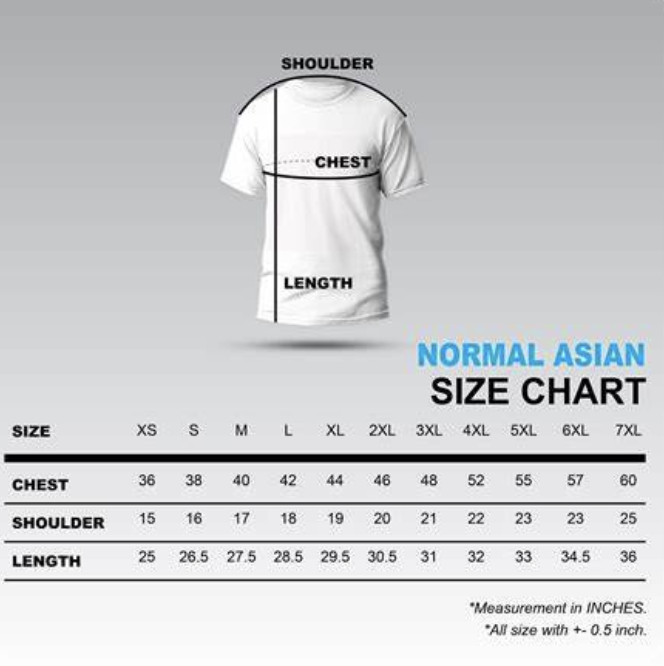
Comprender Asian size conversions to US standards is crucial for anyone who shops internationally, especially from trending Asian fashion platforms.
Size charts across regions are not universal, and misinterpretation often leads to ordering garments that are too small, too short, or simply not proportionate to Western body shapes.
In this comprehensive guide, we break down how Asian sizes differ, how to convert them accurately, and how to choose the size that fits your body type best.
Índice
Why Asian Clothing Sizes Run Smaller Than US Sizes
Asian fashion manufacturers often design clothing according to regional body measurements, which tend to be narrower and more compact than Western sizing standards. This leads to:
- Smaller shoulder widths
- Tighter bust and hip measurements
- Shorter sleeve and pant lengths
- Less stretch allowance
Asian sizes can run 1–3 sizes smaller than US sizes, depending on the brand and region. For instance, a US Medium often equals an Asian XL or even XXL.
Understanding this difference can save you valuable time, money, and frustration.
Asian Size to US Conversion Chart: Quick Reference Guide
To help you compare sizing easily, here is a simplified conversion chart commonly used by major Asian retailers:
| US Size | Asian Size | Chest (in) | Waist (in) | Hips (in) |
|---|---|---|---|---|
| XS | M | 32–34 | 24–26 | 33–35 |
| S | L | 35–36 | 27–28 | 36–37 |
| M | XL | 37–38 | 29–30 | 38–40 |
| L | XXL | 39–41 | 31–33 | 41–43 |
| XL | 3XL | 42–44 | 34–36 | 44–46 |
Consejo: Do not rely solely on size labels; always check exact measurements.
Women’s Asian to US Size Conversion
Women’s fashion sizing varies widely across Asian brands. Below is a general guideline:
| US Size | Asian Size |
|---|---|
| 2–4 (XS) | M |
| 4–6 (S) | L |
| 6–8 (M) | XL |
| 8–10 (L) | XXL |
| 10–12 (XL) | 3XL |
Women’s Clothing Fit Notes
- Asian dresses may be tighter around the bust and hips.
- Sleeve lengths may be shorter, especially in coats and blazers.
- Skirt and pant inseams are often shorter.
Men’s Asian to US Size Conversion
Men’s Asian sizes follow a similar pattern, running smaller by at least one to two sizes.
| US Size | Asian Size |
|---|---|
| S (36) | L |
| M (38) | XL |
| L (40) | XXL |
| XL (42) | 3XL |
| XXL (44) | 4XL |
Men’s Fit Considerations
- Jackets may be tight around shoulders and chest.
- Pants often have a slimmer cut in the thighs and hips.
- Lengths may be shorter, especially for taller individuals.
Shoe Size Conversion: Asian to US
Shoe sizing differs more subtly but can still be confusing. Asian sizes often use centimeters to measure foot length.
Women’s Shoe Size Conversion
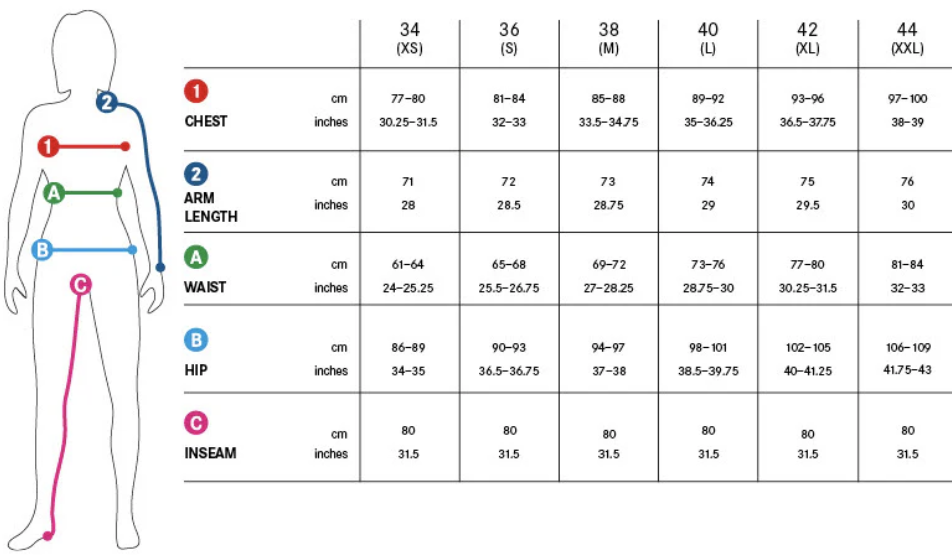
| US | CM (Approx) |
|---|---|
| 6 | 22.5 |
| 7 | 23.5 |
| 8 | 24.1 |
| 9 | 25 |
| 10 | 25.9 |
Men’s Shoe Size Conversion
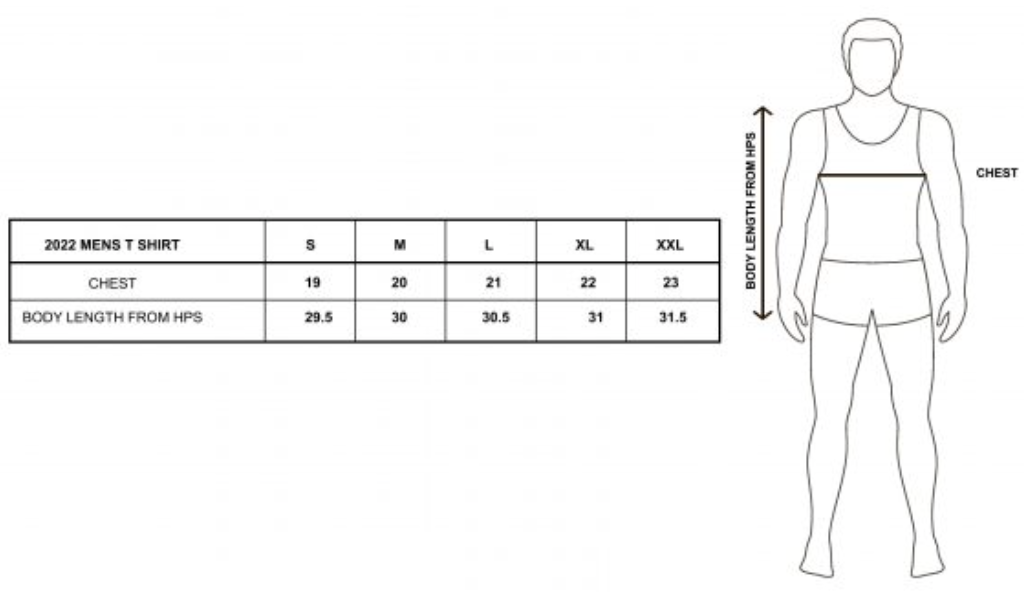
| US | CM (Approx) |
|---|---|
| 8 | 26 |
| 9 | 27 |
| 10 | 28 |
| 11 | 29 |
Measure your foot heel-to-toe and compare with the brand’s chart.
Tips to Choose the Best Size When Buying Asian Clothing
1. Always Check the Measurement Chart
Each brand may measure differently. Look for:
- Chest/Bust
- Clothing length
- Shoulder width
- Sleeve length
- Hip and waist measurements
2. Measure Your Body Correctly
Key points to measure:
- Around bust/chest at fullest part
- Waist at natural line
- Hips at widest point
- Shoulder seam to seam
- Height and arm length
3. Consider Fabric Material
- Knitted or stretch fabrics offer flexibility
- Woven or structured fabrics may need a size up
4. Read Reviews
Shoppers often mention whether the item fits true to size, smaller, o larger.
5. Prefer Brands With Easy Returns
When in doubt, purchase from stores that allow hassle-free returns or refunds.
Asian Size Differences by Country
China
- Generally 2 sizes smaller than US
- Slim fit preference
Japan
- Precise tailoring, slightly smaller than US
- Stylish modern cuts; avoid if you prefer loose fit unless sized up
Korea
- Fashion-forward slim silhouettes
- Tops may be oversized in streetwear trends, but bottoms run small
Different Asian countries have distinct build assumptions—always verify charts.
Special Notes for Plus-Size Shoppers
Plus-size options in Asian fashion are expanding but still limited. When purchasing:
- Busque plus-size specific collections
- Consulte stretch, fabric, and bust allowance
- Verify arm circumference in tops and jackets
Asian plus sizing might start at US Large or XL, so review carefully.
Preguntas frecuentes About Asian Size
Is Asian size smaller than US size?
Yes. Asian sizes often run 1–3 sizes smaller than US sizes.
How do I convert Asian size to US size?
Use conversion charts and measure yourself. For most clothing:
- US S ≈ Asian L
- US M ≈ Asian XL
- US L ≈ Asian XXL
Are Asian shoes smaller than US?
Yes, but shoe sizing uses centimeter measurement—compare foot length in cm.
Should I size up when ordering from Asia?
Typically, yes—size up by one or two sizes depending on fit preference and reviews.
Final Recommendations
Elegir bien Asian size for US shoppers is simple when you:
- Compare measurements
- Check fabric type
- Read buyer reviews
- Consider regional sizing differences
How Simoosourcing Helps Brands Navigate Asian Sizing
If you’re launching a clothing brand o sourcing apparel from Asia, Simoosourcing helps you get the sizing right from day one.
Why Size Matters in Sourcing
- Reduces return rates
- Enhances customer satisfaction
- Increases brand credibility
- Ensures consistency across product lines
Los servicios de Simoosourcing incluyen:
- Sampling support – order test pieces in all sizes before mass production
- Sizing consultations – adjust cuts for Western markets
- Custom sizing charts – tailored to your customer base
- Fit testing – measure actual garments before approval
- Tag and label assistance – convert to US or UK sizing labels
Whether you’re manufacturing activewear, streetwear, or kids’ clothing, Simoosourcing makes sure your product fits your audience.
Red Flags: When the Sizing Doesn’t Add Up
Not every size chart is created equal, and some online listings can be downright misleading. If you notice any of these red flags, pause before purchasing:
🚩 No Size Chart Provided
If a seller doesn’t provide any measurements (in CM or inches), you’re flying blind. That’s a major risk, especially for fitted garments.
🚩 One Size Fits All
Beware of items marked “Free Size” or “One Size Fits All.” In Asian fashion, this usually means “fits most petite Asian frames” and translates to a US XS or S—rarely more.
🚩 Inconsistent Sizing Across Items
Some sellers use vague sizing like “Size 1,” “Size 2,” or use the same chart for all products—even though tops, pants, and outerwear have different cuts. That’s a recipe for returns.
🚩 No Fabric Description
Stretchy fabrics like spandex, jersey, or ribbed knits can forgive minor sizing issues. If no fabric composition is listed, you won’t know if the garment has any give.
🚩 Unclear Model Info
If the model’s height, weight, or size worn is not listed—yet the clothes fit perfectly in every photo—that’s suspicious. It often means the brand adjusts or clips garments for shoots.
Consejo profesional: Look for listings with user photos and size details in reviews. That’s your best reality check.
Should You Always Size Up with Asian Clothing?
A common rule of thumb says to “go one or two sizes up” when buying Asian fashion. But is that always right?
✅ Yes, Size Up When:
- The item is made of non-stretch material (e.g., polyester, wool, denim)
- It’s a structured or fitted cut
- Reviews say it runs small
- You’re in between sizes based on your measurements
❌ Don’t Size Up If:
- The garment is labeled as oversized o loose fit
- The item is knitted or stretchy
- It’s a Unisex item with Western sizing references
- The seller offers a detailed chart and your measurements align exactly
🧠 Smart Strategy:
- Take your exact measurements
- Compare them to the seller’s chart
- If you’re close to the upper limit of a size—go up one
Sizing up without understanding the fabric or cut can lead to a poor fit that’s too baggy or shapeless.
Conclusión
Asian fashion is bold, stylish, and often more affordable—but it comes with a learning curve when it comes to sizing.
If you want to avoid the frustration of receiving clothing that doesn’t fit, you must master Asian size conversions to US standards.
📌 Principales conclusiones:
- Asian sizes run smaller than US sizes—often by 1–2 full sizes
- Use your body measurements, not just size tags, for accuracy
- Always check the seller’s individual size chart
- Read reviews and buyer photos for real-world fit insights
- En caso de duda, size up—but smartly
- If you’re a brand, partner with a sourcing expert like Simoosourcing to ensure your product line fits your target market
Whether you’re shopping from Taobao, YesStyle, AliExpress, or manufacturing your own clothing line, lea esta reseña antes de comprar—because a well-fitting outfit always starts with the right size.
Preguntas frecuentes About Asian Size
1. Why are Asian sizes so small compared to US sizes?
Asian sizing reflects regional body proportions and tends to favor slimmer builds. Cultural preferences for fitted styles also influence sizing standards.
2. Is XL in Asia equal to L in the US?
Roughly, yes. In most cases, you’ll need to size up once or twice when buying Asian clothing. Always check the size chart to be sure.
3. What’s the best way to avoid returns when buying Asian fashion?
Take your measurements in CM, compare them with the product’s size chart, and read buyer reviews. When possible, message the seller for clarification.
4. Can I trust Asian size charts?
Many are accurate, but you must use your own measurements and verify each seller’s chart—sizes vary by country, brand, and fabric.
5. Does Simoosourcing help with garment sampling and sizing?
Yes. Simoosourcing can help you sample multiple sizes, create custom size charts, and test your garments with real users before launching production.