15 Matériaux de couverture - Comment les choisir ?
Introduction to Blanket Materials
Choosing the perfect blanket isn’t just about the color or design—it all starts with the blanket material.
Whether you’re shopping for cozy winter nights, lightweight summer throws, or everyday bedding, the material makes a world of difference in comfort, durability, warmth, and breathability.
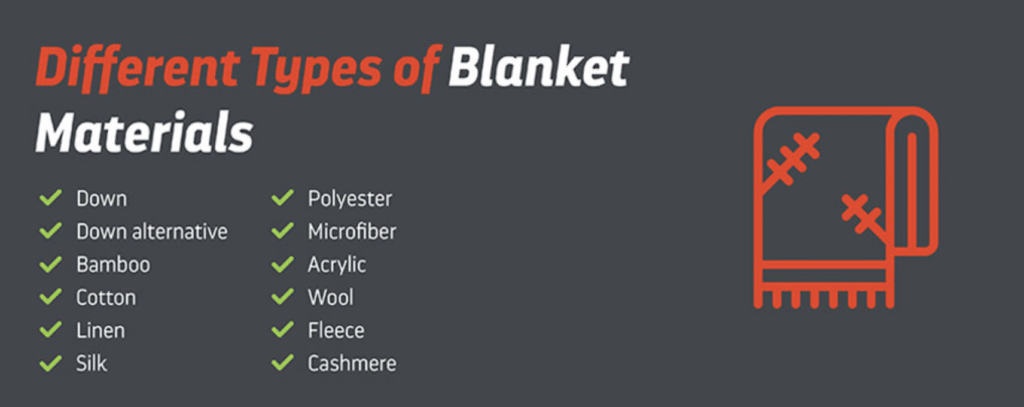
With dozens of options on the market—from cotton and wool to high-tech microfiber blends—it’s easy to feel overwhelmed.
In this detailed guide, we’ll explore 15 popular blanket materials, break down their pros and cons, and help you choose the best one for your needs.
Table des matières
Why Blanket Material Matters
Here’s why choosing the right blanket fabric is crucial:
- Confort: The feel of the fabric directly impacts your sleep quality.
- Chaleur: Different materials insulate at different levels.
- Care & Maintenance: Some fabrics are machine-washable; others require dry cleaning.
- Allergies: Hypoallergenic materials are ideal for sensitive skin or respiratory issues.
Let’s dive into the full breakdown of blanket materials to make your choice easy and informed.
Natural Blanket Materials
1. Le coton
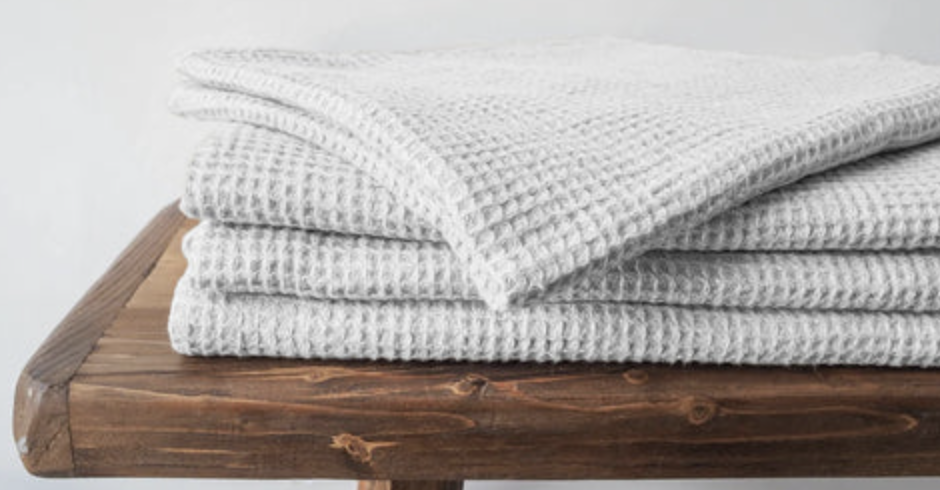
Meilleur pour: All-season use, breathability, and easy maintenance.
Pour:
- Soft, lightweight, and breathable
- Hypoallergenic and suitable for sensitive skin
- Easy to wash and maintain
Cons:
- Less insulating than wool or fleece
- May shrink in the wash
Cas d'utilisation: Ideal for summer blankets or layering under a duvet.
2. Wool
Meilleur pour: Winter warmth and moisture regulation.
Pour:
- Excellent insulator; retains heat even when damp
- Durable and long-lasting
- Natural flame resistance
Cons:
- Can be itchy without proper processing
- Requires special care or dry cleaning
Cas d'utilisation: Heavy winter blankets and throws for cold climates.
3. Bamboo
Meilleur pour: Eco-friendly and ultra-soft bedding.
Pour:
- Naturally antibacterial and hypoallergenic
- Highly breathable and moisture-wicking
- Sustainable and biodegradable
Cons:
- More expensive than cotton or polyester
- May wrinkle easily
Cas d'utilisation: Luxury bedding, especially for sensitive or acne-prone skin.
4. Linen
Meilleur pour: Summer use and rustic aesthetics.
Pour:
- Breathable and cooling
- Strong and durable
- Becomes softer with every wash
Cons:
- Wrinkles easily
- Less cozy in colder weather
Cas d'utilisation: Lightweight summer blankets or decorative bed throws.
5. Silk

Meilleur pour: Luxury appeal and gentle touch.
Pour:
- Ultra-smooth and soft
- Naturally hypoallergenic
- Great for regulating temperature
Cons:
- High cost
- Needs delicate care
Cas d'utilisation: Premium throws and layering pieces for added elegance.
Synthetic Blanket Materials
6. Polyester
Meilleur pour: Budget-friendly and durable use.
Pour:
- Abordable et largement disponible
- Resistant to shrinking and wrinkles
- Durable over time
Cons:
- Less breathable
- May trap heat and moisture
Cas d'utilisation: Everyday throws, especially in high-use areas like couches or travel.
7. Fleece
Meilleur pour: Warmth and softness in winter.
Pour:
- Lightweight yet warm
- Fast-drying and machine-washable
- Available in many thickness levels
Cons:
- Can pill over time
- Not very breathable
Cas d'utilisation: Winter bedding and budget-friendly warm blankets.
8. Microfiber
Meilleur pour: Soft texture and allergy resistance.
Pour:
- Silky-soft and smooth
- Hypoallergenic and lint-free
- Resistant to wrinkles and stains
Cons:
- Less natural feel than cotton or bamboo
- Can overheat in warm climates
Cas d'utilisation: All-season use, especially for those with allergies.
9. Acrylic
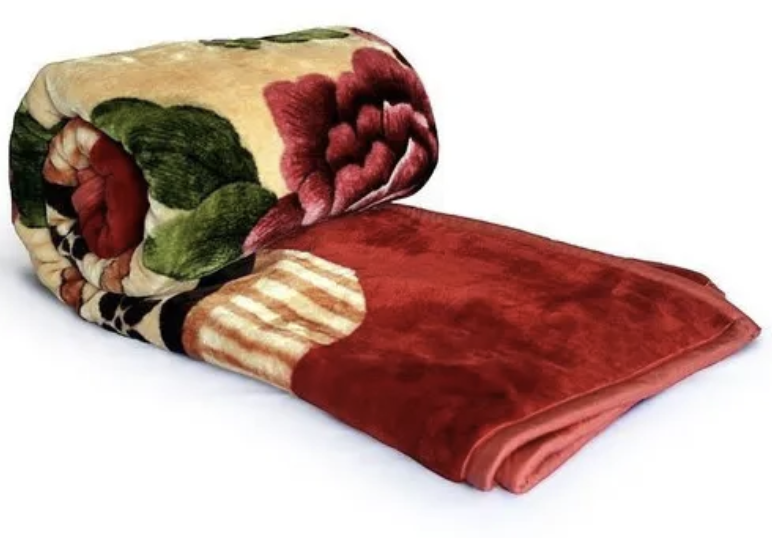
Meilleur pour: Wool-like appearance on a budget.
Pour:
- Looks and feels like wool
- Lightweight and soft
- Resistant to moths and mildew
Cons:
- May pill with repeated washing
- Not breathable like natural fibers
Cas d'utilisation: Decorative throws or budget-conscious alternatives to wool.
10. Nylon
Meilleur pour: Durability and moisture resistance.
Pour:
- Very strong and durable
- Quick-drying and mildew resistant
- Lightweight
Cons:
- Can feel synthetic
- Limited softness compared to other fabrics
Cas d'utilisation: Camping blankets and outdoor use.
Blended and Specialty Blanket Materials
11. Cotton-Polyester Blend
Meilleur pour: Combining comfort and durability.
Pour:
- Softer than pure polyester, more durable than pure cotton
- Less prone to wrinkles and shrinkage
- Affordable and easy to maintain
Cons:
- Not as breathable as 100% cotton
- May feel slightly synthetic
Cas d'utilisation: Everyday bed blankets, especially in shared spaces like dorms or guest rooms.
12. Sherpa
Meilleur pour: Ultra-cozy warmth in cold climates.
Pour:
- Fluffy, fleece-like texture
- Excellent for insulation
- Usually paired with micro-mink or fleece on one side
Cons:
- Can be too warm for some
- Needs delicate care to avoid matting
Cas d'utilisation: Winter throws, lap blankets for movie nights, or plush bedding accents.
13. Minky
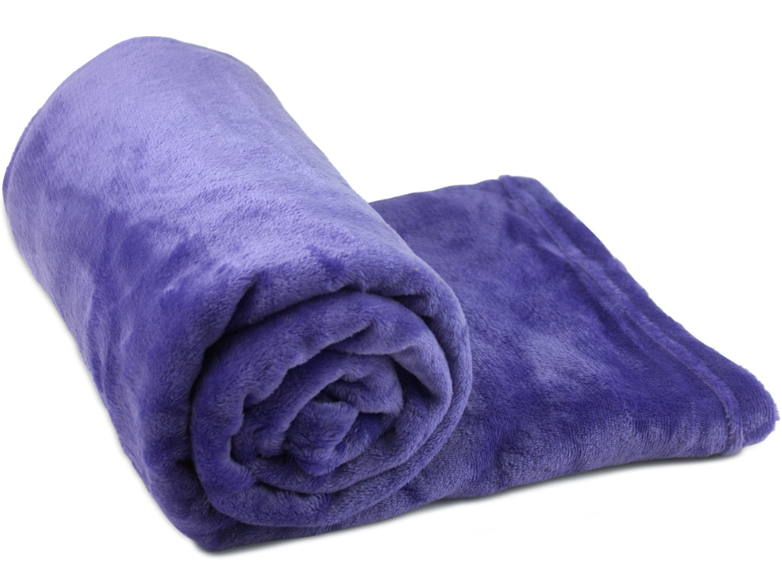
Meilleur pour: Babies, toddlers, and comfort seekers.
Pour:
- Super soft, smooth, and cuddly
- Lightweight but warm
- Highly durable and stain-resistant
Cons:
- Less breathable
- May be too warm in hot weather
Cas d'utilisation: Baby blankets, cuddle throws, sensory-friendly products.
14. Weighted Blankets (Glass Beads/Filled)
Meilleur pour: Anxiety relief and deep pressure stimulation.
Pour:
- Helps reduce stress and improve sleep
- Creates a sensation of being hugged
- Available in various weights and covers
Cons:
- Heavy and hard to wash
- Not suitable for children under 3
Cas d'utilisation: Insomnia, anxiety management, and sensory conditions.
15. Electric Blankets (Wired + Outer Fabric)
Meilleur pour: Adjustable warmth and convenience.
Pour:
- Adjustable temperature settings
- Great for arthritis or muscle pain relief
- Often made with fleece or microfiber for extra softness
Cons:
- Must be used with care (fire safety)
- Limited washability
Cas d'utilisation: Cold climates, elderly users, and people with chronic pain.
Comparison Table of Blanket Materials
| Matériau | Chaleur | Respirabilité | Softness | Washability | Meilleur pour |
|---|---|---|---|---|---|
| Coton | Moyen | Haut | Moyen | Haut | Year-round use |
| Laine | Haut | Moyen | Moyen | Faible | Winter warmth |
| Bambou | Moyen | Haut | Haut | Moyen | Eco-conscious consumers |
| Polyester | Moyen | Faible | Moyen | Haut | Everyday use |
| Polaire | Haut | Faible | Haut | Haut | Temps froid |
| Microfiber | Moyen | Moyen | Haut | Haut | Allergy-sensitive users |
| Sherpa | Haut | Faible | Très élevé | Moyen | Plush winter throws |
| Minky | Moyen | Faible | Très élevé | Haut | Babies and toddlers |
| Electric | Adjustable | Moyen | Moyen | Faible | Personalized heating |
Best Blanket Materials by Season
Summer
- Coton
- Bambou
- Linen
Winter
- Laine
- Polaire
- Sherpa
- Electric blankets
All-Season
- Cotton-Polyester blends
- Microfiber
- Weighted blankets with breathable covers
Choosing the Right Blanket Material for Your Needs
Allergies and Sensitivities
- Best materials: Bambou, Microfiber, Coton
- Avoid: Wool, unless specially processed, and synthetic materials prone to dust retention
Kids and Babies
- Best choices: Minky, Coton, Bambou
- Avoid: Electric or weighted blankets for young children
Luxury and Aesthetic Appeal
- Top materials: Silk, Linen, Sherpa-backed fleece
Budget-Friendly Options
- Best options: Polyester, Cotton blends, Acrylic
Where to Source Quality Blanket Materials
Choosing the right supplier is just as important as choosing the material.
Domestic vs. Overseas Suppliers
| Critères | Domestic (U.S./EU) | Overseas (China, India) |
|---|---|---|
| Prix | Higher | Lower (especially in bulk) |
| Personnalisation | Limitée | Extensive OEM/ODM capabilities |
| MOQ | Higher | Flexible |
| Delivery Speed | Faster | Longer (2–6 weeks average) |
Simoosourcing: Trusted Sourcing Agent in China
Simoosourcing offers comprehensive sourcing solutions for international buyers looking to source blankets and fabrics from China. Here’s what they provide:
- Supplier vetting and factory audits
- Contrôles de qualité before shipment
- OEM/private labeling support
- Logistics and customs clearance
- Expert negotiation and order management
Whether you’re a retailer, wholesaler, or startup launching a new bedding line, Simoosourcing ensures smooth, safe, and cost-effective sourcing from China.
Visiter simoosourcing.com to get a free quote and start your blanket sourcing journey.
Final Thoughts and Buying Tips
Choosing the perfect blanket comes down to understanding your climate, budget, skin sensitivity, and lifestyle needs. With 15 diverse materials to choose from, there’s something for everyone—whether you’re looking for cozy winter warmth, breathable summer comfort, or stylish bed décor.
Principaux enseignements :
- For softness: Go for Minky ou Microfiber.
- For warmth: Choose Laine, Sherpa, ou Electric.
- For eco-friendliness: Opt for Bambou ou Coton.
- For budget: Stick with Polyester ou Blended fabrics.
And if you’re sourcing blankets in bulk, don’t go it alone—partner with Simoosourcing to simplify your entire supply chain.
Questions fréquemment posées Blanket Materials
1. What is the warmest blanket material?
Wool, Sherpa, and electric blankets provide the highest warmth levels, ideal for cold winters.
2. Which blanket material is best for summer?
Bamboo, cotton, and linen are breathable and moisture-wicking—perfect for hot weather.
3. Are microfiber blankets good for allergies?
Yes, microfiber is naturally hypoallergenic and a good option for sensitive users.
4. Is Sherpa or fleece softer?
Sherpa is fluffier, but fleece is smoother. Both are soft, but Sherpa has a plusher feel.
5. Can I machine-wash all blanket materials?
Not all. While cotton, polyester, and fleece are machine-washable, wool and silk usually require delicate care or dry cleaning.